

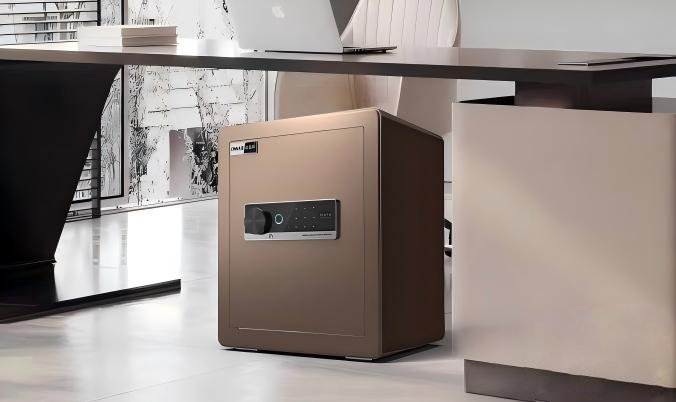
A security home safe is one of the most effective ways to protect cash, jewelry, passports, important documents, and other valuables from theft, fire, and unauthorized access. However, buying a high-quality home safe is only half of the solution. Choosing the right installation location plays an equally important role in maximizing your home’s security.
The ideal location should keep your valuables protected while allowing convenient access for authorized users. Whether you’re considering a Bedroom Safe, Closet Safe, Wall Safe, or Floor Safe, selecting the right placement can significantly reduce the risk of theft.
In this guide, we’ll explore the best locations for installing a security home safe, explain the advantages of each option, and help you decide which solution best fits your home.
Why Installation Location Matters
Even the strongest security home safe can become vulnerable if installed in the wrong place. A well-hidden, properly anchored safe provides significantly greater protection than one that is simply placed in an obvious location.
However, installation location is only one part of choosing the right safe. Size, locking system, fire protection, and construction quality all contribute to overall security. If you’re still comparing different types of home safes, we recommend reading our Complete Home Safe Buying Guide before deciding on the best installation location.
Best Places to Install a Security Home Safe at Home
1. Closet Safe
A Closet Safe remains one of the most popular choices for homeowners.
Closets naturally provide privacy, making them an excellent place to hide valuable belongings while keeping them within easy reach.
A closet safe is ideal for storing:
- Jewelry
- Cash
- Passports
- Watches
- Family documents
For maximum protection, bolt the safe directly to a concrete floor whenever possible.
2. Bedroom Safe
A Bedroom Safe offers convenient daily access to personal valuables.
However, because burglars often search bedrooms first, the safe should never be left in plain sight.
Better installation locations include:
- Inside wardrobes
- Built-in cabinets
- Under custom shelving
Combining a bedroom safe with concealed installation creates an effective Hidden Home Safe solution.
3. Living Room Safe
A Living Room Safe may not be the first location homeowners consider, but it can be surprisingly effective.
When integrated into custom furniture or entertainment cabinets, it becomes difficult for intruders to identify.
Popular locations include:
- TV cabinets
- Sideboards
- Display cabinets
- Bookshelves
A living room safe can also be disguised within custom-built furniture, making it less obvious than safes installed in bedrooms, which are often searched first during a burglary.
4. Cabinet Safe
A Cabinet Safe is designed to blend into existing furniture.
Whether installed in a home office, bedroom, or living room, cabinet safes offer excellent concealment while maintaining convenient access.
This option works particularly well for homeowners who prefer discreet security without major renovation.
5. Wall Safe
A Wall Safe is installed between wall studs and hidden behind artwork, mirrors, or decorative panels.
Advantages include:
- Excellent concealment
- Space-saving design
- Easy access
Wall safes are best suited for storing:
- Documents
- Jewelry
- Emergency cash
6. Floor Safe
A Floor Safe offers one of the highest levels of physical security.
Installed directly into a concrete floor, it becomes extremely difficult for thieves to remove.
Floor safes are ideal for:
- High-value collections
- Precious metals
- Long-term document storage
Many homeowners install floor safes beneath carpets or inside closets for additional concealment.
Hidden Home Safe Ideas
No matter which type you choose, a Hidden Home Safe greatly improves overall security.
Good concealment ideas include:
- Built-in wardrobes
- Custom cabinetry
- Under staircases
- Behind decorative wall panels
- Inside furniture
The less visible the safe, the less likely it is to attract attention during a burglary.
Places to Avoid
Avoid installing your security home safe:
- In plain sight
- Near windows
- On weak wooden floors
- In damp utility rooms
- Without proper anchoring
These locations reduce the effectiveness of even the strongest safe.
How Manufacturers Design Security Home Safes for Different Installation Locations
Professional home safe China factories consider installation environments during product development. For example:
- Closet Safe models are designed with compact dimensions for wardrobes and walk-in closets.
- Bedroom Safe models often include fingerprint access for faster everyday use.
- Wall Safe designs prioritize concealment within standard wall cavities.
- Floor Safe models feature reinforced construction for permanent concrete installation.
- Cabinet Safe designs are optimized for built-in furniture and home offices.
Understanding these design differences helps homeowners choose a security home safe that fits both their available space and their daily usage requirements.
Installation Tips
For the best performance:
- Anchor the safe securely
- Install on concrete whenever possible
- Keep the location confidential
- Use vibration alarm features
- Choose an all-steel construction
- Consider a fire-resistant model
- Install the safe away from direct sunlight and excessive humidity.
- Test the locking system and backup key regularly.
- Avoid sharing the safe’s location with visitors.
hoosing the right location for your security home safe is just as important as choosing the safe itself. Whether you prefer a Closet Safe, Bedroom Safe, Wall Safe, Floor Safe, or Cabinet Safe, proper placement and secure anchoring can significantly improve protection against theft and unauthorized access.
As a professional home safe China factory, Anrster Safe develops durable security home safes designed for different installation environments. By combining quality construction with smart placement, homeowners can enjoy greater security and long-term peace of mind.