

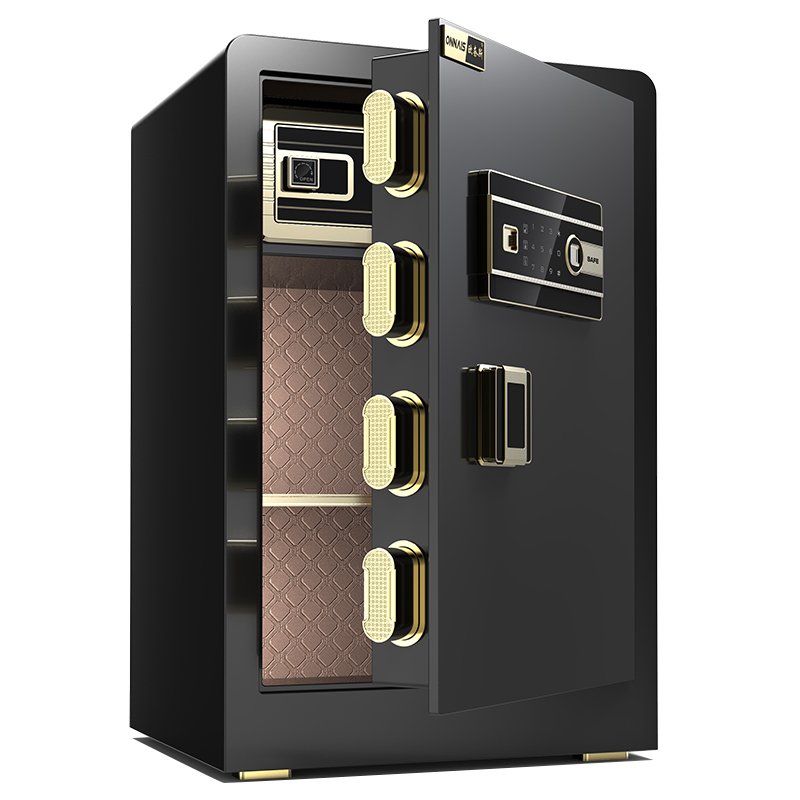
The Complete Guide to Home Safes: Types, Construction, Locking Systems, and Security Features
Introduction
A home safe is one of the most effective ways to protect cash, jewelry, passports, important documents, firearms, and other valuable belongings from theft, unauthorized access, or accidental loss.
Today’s home safes range from traditional key-lock models to advanced smart WiFi safes with remote management capabilities. While many buyers focus on lock type or size, the true quality of a safe depends on its construction, security design, and manufacturing precision.
This guide explains the major types of home safes, compares common locking systems, and highlights the key factors that determine long-term security and durability.
Types of Home Safes
Most home safes can be classified by their locking systems.
Key Lock Safes
Traditional mechanical locks operated by a physical key.
Best for:
- Budget-conscious buyers
- Users who prefer simple operation
- Locations where battery-free access is preferred
Digital Keypad Safes
Electronic locks operated using a PIN code.
Best for:
- Homes
- Offices
- Everyday use
Digital keypad locks offer an excellent balance of convenience, security, and affordability.
Fingerprint Safes
Biometric safes that recognize authorized fingerprints.
Best for:
- Frequent access
- Modern households
- Users seeking quick entry
Smart WiFi Safes
Smart safes combine physical security with intelligent access management.
Features may include:
- Remote authorization
- Access records
- Mobile app control
- User management
- Real-time notifications
Best for:
- Smart homes
- Premium security applications
- Users requiring remote management
Comparing Modern Home Safe Locking Systems
| Feature | Key Lock | Digital Keypad Lock | Fingerprint Lock | Smart WiFi Lock |
|---|---|---|---|---|
| Security Level | Good | Very Good | Very Good | Excellent |
| Access Method | Physical Key | PIN Code | Fingerprint + PIN | App + Fingerprint + PIN |
| Opening Speed | Moderate | Fast | Very Fast | Very Fast |
| Remote Access | No | No | No | Yes |
| Access Records | No | No | Limited (Model Dependent) | Yes |
| User Management | No | Limited | Limited | Advanced |
| Backup Access | Spare Key | Emergency Key | Emergency Key | Emergency Key & App Controls |
Manufacturer’s Recommendation
Key Lock
A reliable and economical solution for users who prefer traditional mechanical operation.
Digital Keypad Lock
The most balanced option for most households, offering convenience, security, and affordability.
Fingerprint Lock
Ideal for users who require quick and frequent access to their valuables.
Smart WiFi Lock
Best suited for users who want intelligent security features, remote management, and access records.
What Determines Safe Quality?
Many buyers focus on lock type, but the lock is only one part of the security system.
The overall quality of a safe depends on three major factors:
1. Body Construction
The safe body forms the foundation of security.
Important considerations include:
- Full steel construction
- Structural rigidity
- One-piece or reinforced body design
- Manufacturing consistency
A strong body structure helps improve durability, stability, and resistance to forced entry.
2. Door Design
The door is often the primary target during an attempted break-in.
A quality safe door should provide:
- Reinforced steel construction
- Stable hinge support
- Reliable locking engagement
- Resistance to deformation
Another important detail is the gap between the door and the safe body.
A narrow and consistent door gap can:
- Improve pry resistance
- Reflect higher manufacturing precision
- Enhance overall product quality
For many manufacturers, door-gap consistency is a key indicator of production quality.
3. Locking System Design
A secure safe requires more than a high-quality lock.
Internal components such as locking panels and locking bolts play an equally important role.
A well-designed locking system should provide:
- Strong locking panel support
- Reliable bolt movement
- Secure bolt engagement
- Long-term durability
These hidden components often determine how effectively the safe resists forced-entry attempts.
Construction Quality Comparison
While advanced locks improve convenience, structural design often has a greater impact on physical security.
| Factor | Basic Safe | Premium Safe |
|---|---|---|
| Body Construction | Standard Welded Body | Reinforced Full-Steel Structure |
| Door Gap | Wider Tolerance | Narrow Precision-Fit Gap |
| Locking Panel | Standard Plate | Reinforced Locking Panel |
| Locking Bolts | Basic Bolt System | Multi-Point Locking System |
| Surface Finish | Conventional Paint | Durable Powder Coating |
| Manufacturing Precision | Standard Assembly | Precision Manufacturing & Inspection |
How to Choose the Right Home Safe
Before purchasing a safe, consider the following questions:
What Will Be Stored?
Common items include:
- Cash
- Jewelry
- Passports
- Important documents
- Digital storage devices
- Firearms
How Often Will the Safe Be Accessed?
Frequent access may favor fingerprint or smart locking systems.
Is Remote Management Important?
Users who require access records, remote authorization, or mobile notifications may benefit from smart WiFi safes.
Is Future Storage Capacity Important?
Choosing a slightly larger safe often provides greater long-term flexibility.
So there is no single “best” home safe for everyone. The right choice depends on what you need to protect, how often you access the safe, and the level of security and convenience you expect.
By comparing locking systems and understanding the construction features that influence security, you can choose a safe with greater confidence. Taking the time to evaluate quality before purchasing can make a significant difference in both protection and long-term satisfaction.
Learn More About Home Safe Technology
Want to see how different locking systems work in real-world applications or explore the manufacturing details behind modern home safes?
Visit our YouTube channel for product demonstrations, fingerprint lock testing, smart WiFi safe features, manufacturing insights, and other home safe security topics.
👉 Watch More Home Safe Videos on Our YouTube Channel
https://www.youtube.com/@AnrsterSafe
Whether you are comparing lock types, evaluating safe construction, or researching smart security solutions, our video library provides additional information to help you make an informed decision.
Related Guides
- Fingerprint Lock vs Digital Keypad Lock
- Why Narrow Door Gaps Improve Safe Security
- How Home Safes Are Manufactured
- Understanding Safe Locking Panels
- Smart WiFi Safe Technology Explained