

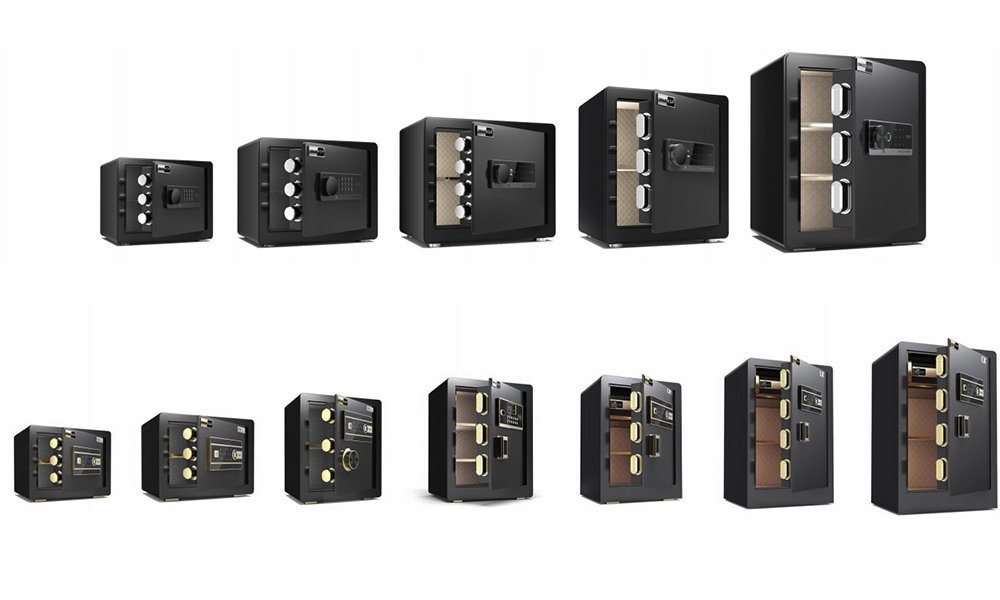
Choosing the right home safe size is one of the most important decisions when purchasing a safe. Many buyers focus on lock types, fire ratings, and security features, but selecting the correct capacity is equally important. A safe that is too small quickly becomes overcrowded, while an oversized safe may waste valuable space and increase costs.
In this manufacturer’s guide, we explain how to choose the right home safe based on what you plan to store today and what you may need to protect in the future.
Why Safe Size Matters
Choosing the right capacity affects:
- Storage efficiency
- Ease of organization
- Future storage needs
- Installation location
- Overall cost
A common mistake is purchasing the smallest safe that fits current valuables, only to outgrow it within a few years.
General recommendation: Choose a safe that is approximately 25–50% larger than your current storage needs.
What Will You Store in the Safe?
Before selecting a size, create a list of items you want to protect.
Typical contents include:
Important Documents
- Passports
- Birth certificates
- Property deeds
- Insurance documents
- Tax records
Jewelry and Watches
- Rings
- Necklaces
- Luxury watches
- Family heirlooms
Cash and Valuables
- Emergency cash
- Precious metals
- Collectibles
Electronics and Digital Media
- External hard drives
- USB drives
- Backup storage devices
Firearms
- Handguns
- Ammunition
- Accessories
The larger and more diverse your valuables, the larger the safe should be.
Common Home Safe Size Categories
Typical Capacity: 0.5–1.5 Cubic Feet
Best For:
- Documents
- Cash
- Jewelry
- Small electronics
Advantages:
- Affordable
- Easy to install
- Fits closets and cabinets
Potential Limitation:
Limited room for future expansion.
Medium Home Safes
Typical Capacity: 1.5–3 Cubic Feet
Best For:
- Families
- Multiple document folders
- Jewelry collections
- Backup drives
- Small valuables
Advantages:
- Better organization
- Room for growth
- Suitable for most households
This is often the most popular category for homeowners.
Typical Capacity: 3+ Cubic Feet
Best For:
- Extensive valuables
- Multiple family members
- Firearms and accessories
- Long-term storage
Advantages:
- Maximum flexibility
- Better organization
- Future-proof capacity
Considerations:
Requires more floor space and may be heavier to install.
Where Will the Home Safe Be Installed?
The available installation space may determine the maximum safe size.
Common locations include:
- Bedroom closets
- Home offices
- Walk-in closets
- Utility rooms
- Basements
Before purchasing:
✓ Measure width
✓ Measure depth
✓ Measure height
✓ Consider door swing clearance
✓ Verify floor load capacity for heavy safes
Consider Future Growth
Many homeowners underestimate how quickly valuables accumulate.
Over time you may add:
- Additional documents
- Jewelry
- Collectibles
- Precious metals
- Family records
Buying slightly larger now is usually more economical than replacing a safe later.
Quick Size Selection Guide
| Your Needs | Recommended Size |
|---|---|
| Documents only | Small Safe |
| Documents + Jewelry | Small to Medium Safe |
| Family valuables | Medium Safe |
| Documents + Jewelry + Cash + Electronics | Medium to Large Safe |
| Large collections or firearms | Large Safe |
Key Factors Beyond Size
Capacity is important, but also consider:
- Burglary protection
- Fire resistance
- Water resistance
- Lock type
- Interior organization
- Construction quality
A properly sized safe should also provide the level of protection required for your valuables.
The best home safe size depends on what you need to protect today and what you may store in the future. For most homeowners, a medium-sized safe offers the best balance of capacity, organization, and value. When in doubt, choosing a slightly larger safe can help avoid running out of space as your storage needs grow.
If you prefer a visual explanation, watch our video guide on choosing and using home safes on our ONSTAR SAFE YouTube Channel
Choosing the right home safe size is one of the most important decisions when purchasing a safe. Many buyers focus on lock types, fire ratings, and security features, but selecting the correct capacity is equally important. If you are still comparing different safe types and security features, check out our Complete Home Safe Buying Guide before selecting a size.