

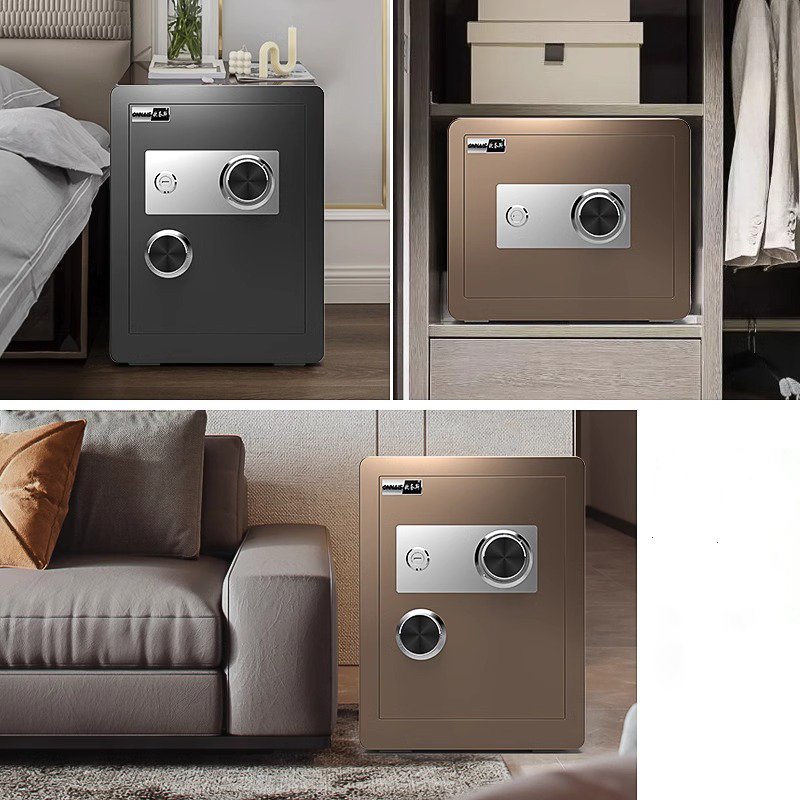
Home Safe Security: Are Home Safes Really Secure?
When it comes to protecting valuables at home, many homeowners ask the same question: Are home safes really secure? The answer depends on several factors, including the safe’s construction, locking system, and installation method. Understanding the fundamentals of home safe security can help you choose the right safe and better protect your belongings.
Why Home Safe Security Matters
A home safe provides an additional layer of protection for items that are valuable, confidential, or difficult to replace. Common items stored in a safe include:
- Cash and emergency funds
- Jewelry and watches
- Passports and identification documents
- Property deeds and certificates
- External hard drives and digital storage devices
- Family heirlooms and collectibles
While a safe cannot completely eliminate the risk of theft, a high-quality safe significantly improves home safe security by making unauthorized access much more difficult.
Are All Home Safes Equally Secure?
The simple answer is no.
Not all safes are built to the same standard. Some entry-level models focus mainly on convenience and basic storage, while others are specifically designed to provide enhanced home safe security through reinforced construction and advanced protection features.
When evaluating a safe, homeowners should consider more than just the lock type. The overall design and structural strength play an equally important role in determining security.
Key Features That Improve Home Safe Security
1. Full Steel Construction
One of the most important factors in home safe security is the quality of the steel used in the safe’s construction.
A safe with a reinforced steel body and door provides greater resistance against cutting, drilling, and prying attempts. Full steel construction also increases durability and helps maintain long-term protection.
2. Anti-Pry Door Design
Burglars often target the gap between the door and the safe body.
Modern safes improve home safe security through:
- Narrow-gap door designs
- Reinforced door frames
- Concealed structural components
- Precision manufacturing
These features help reduce pry points and make forced entry more difficult.
3. Strong Locking Bolts
Locking bolts are responsible for securing the door when the safe is locked.
Larger and stronger locking bolts increase resistance against forced entry. Premium home safes often utilize reinforced steel bolts or oversized locking bolts to create a stronger connection between the door and the frame.
A robust locking system is a key component of effective home safe security.
4. Advanced Locking Technology
Modern home safes offer multiple unlocking options, including : 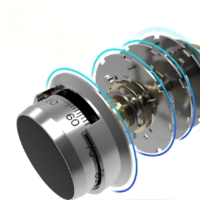
- Fingerprint recognition
- Digital keypad access
- Mechanical key systems
- Dual-lock security systems
Fingerprint safes have become increasingly popular because they combine convenience with strong protection. High-quality biometric sensors can recognize authorized users quickly while maintaining reliable security.
5. Alarm Systems
Advanced security features can further enhance home safe security.
Many modern safes include alarm systems that activate when:
- Repeated incorrect passwords are entered
- The safe experiences vibration or impact
- Unauthorized tampering is detected
These alarm functions help deter potential thieves and provide an additional layer of protection.
Can Burglars Break Into a Home Safe?
No safe is completely immune to attack. Given enough time, specialized tools, and expertise, most safes can eventually be breached.
However, effective home safe security is not about making theft impossible—it’s about making theft extremely difficult.
Most burglars seek quick access and prefer easy targets. A well-constructed safe increases the time, effort, and risk associated with a break-in, often discouraging thieves from continuing their attempt.
Why Proper Installation Is Essential
Even the most secure safe can be vulnerable if it is not properly installed.
For optimal home safe security, homeowners should secure the safe to the floor or wall whenever possible. Anchoring the safe helps prevent thieves from removing it from the property and attempting to open it elsewhere.
Proper installation is one of the simplest and most effective ways to improve overall security.
How to Choose a Secure Home Safe
When shopping for a home safe, look for the following features:
✔ Full steel construction
✔ Anti-pry door design
✔ Reinforced locking bolts
✔ Reliable fingerprint or digital locking system
✔ Built-in alarm protection
✔ Floor or wall mounting capability
Choosing a safe with these features will significantly improve home safe security and provide better protection for your valuables.
Final
So, are home safes really secure?
The answer is yes—when they are built with strong materials, advanced locking systems, anti-pry protection, and installed correctly.
Effective home safe security comes from the combination of reinforced construction, secure locking mechanisms, strong locking bolts, and proper installation. By selecting a quality safe and using it correctly, homeowners can greatly reduce the risk of theft and gain greater peace of mind knowing their valuables are protected.